
Buying a used semi-trailer can be a smart investment, whether you’re expanding your fleet, specialising in a particular type of haulage, or upgrading equipment to stay competitive.
As an owner-operator or haulage business manager, finding the right trailer depends on your specific needs. With so many options on the market, navigating the buying process carefully is essential to avoid costly mistakes. From setting a budget to inspecting for hidden issues, making an informed choice will ensure you get the best value for your investment.
With trailer prices stabilising in 2024 after sharp increases in recent years, right now presents somewhat of an opportune moment to make a purchase. Prices of new semi-trailers surged by at least 25% by 2022, but a more competitive market has since helped drive costs down. For those considering a used option, there are likely to be more affordable second-hand trailers available as companies offload older stock. But how do you navigate this market confidently? Below, we’ve detailed a comprehensive guide on the dos and don’ts of buying a used semi-trailer in the UK.
The Dos of Buying a Used Semi-Trailer
1. Do Set a Clear Budget
As with any significant purchase, don’t immediately dive into the market. Establish a realistic budget by doing some vital homework early on. You’ll notice that used semi-trailers vary significantly in price based on age, condition, make and features. While lower prices may seem tempting, cheaper isn’t always better. Maintenance costs for an older, poorly maintained trailer can quickly outweigh initial savings. It’s not just the purchase price you need to factor in but also insurance, servicing, roadworthiness checks and potential repairs.
2. Do Research the Market
Understanding the market helps you recognise a good deal when you see one. With prices cooling off after previous inflation-driven hikes, now is a better time for buyers. Check listings regularly on reputable platforms, compare pricing trends and consider reaching out to sellers who have been trying to offload stock for a while. These may offer better negotiation opportunities.
3. Do Inspect the Trailer Thoroughly
A used trailer may look good at first glance, but it’s the hidden issues that could cost you down the road. Before purchasing, conduct a detailed inspection or bring a mechanic along – or at the very least, someone with experience in HGVs and trailers. Key checks include:
- Brakes & Suspension – Worn-out brakes or faulty suspension can lead to serious safety issues.
- Tyres & Wheels – Uneven wear might indicate alignment problems or suspension damage.
- Chassis & Frame – Look for rust, cracks, or structural weaknesses.
- Flooring & Load Area – Check for signs of excessive wear, rot (on wooden floors), or damage from previous loads.
- Lights & Wiring – Faulty electrics are common in older trailers. Ensure all lights, indicators, and ABS/EBS systems function correctly.
- If buying from a dealer, request a full inspection report or service history.
4. Do Check the Paperwork
Ensuring the trailer has all the correct documentation is essential. Ask for:
- Any service & maintenance records records
- Previous owner details
- Any warranty or guarantee offered
- A trailer without proper paperwork could be stolen, have outstanding finances, or have hidden defects. If anything seems unclear, walk away.
4. Do Consider the Intended Use
Not all trailers suit every type of haulage. Consider what you’ll be using the trailer for and ensure the one you buy meets those requirements. Here are three quickfire examples:
Curtainsiders – Great for general haulage but check for tears or weak roller mechanisms.
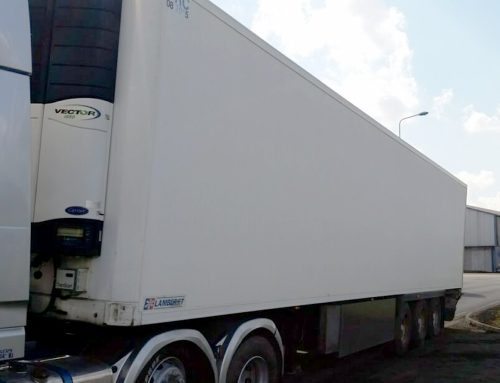
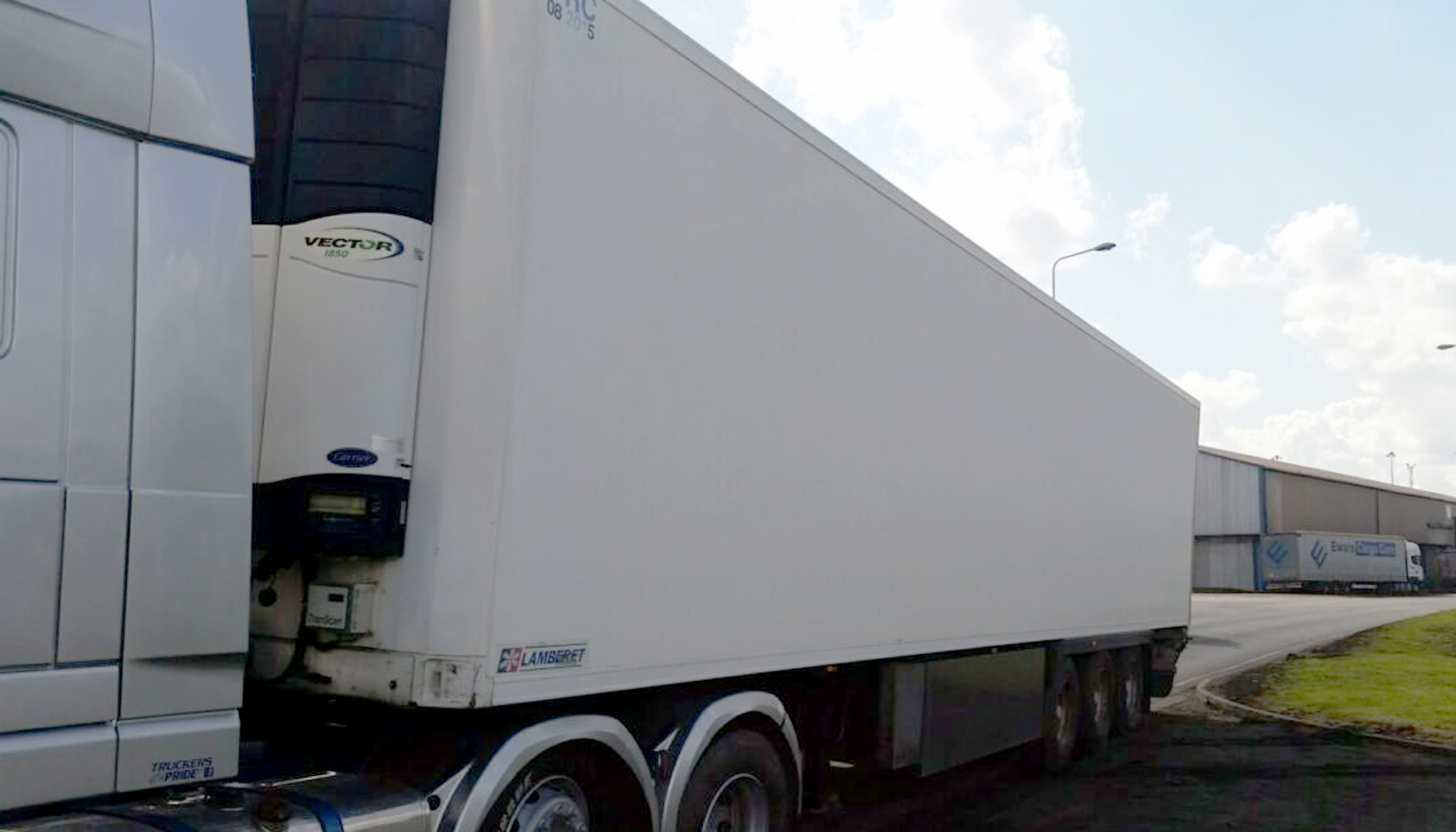
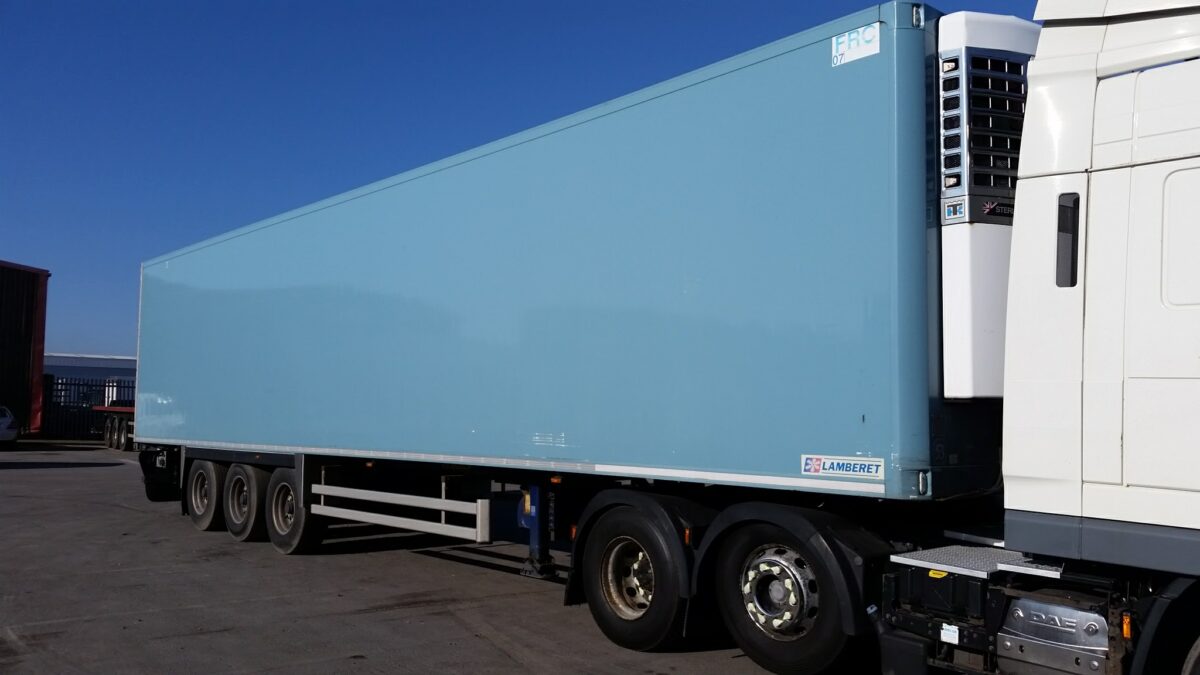
Refrigerated trailers – Inspect the cooling unit and insulation condition.
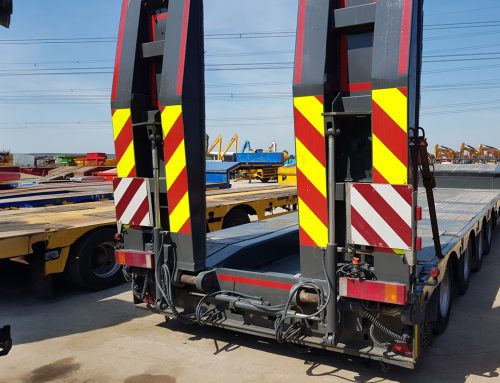
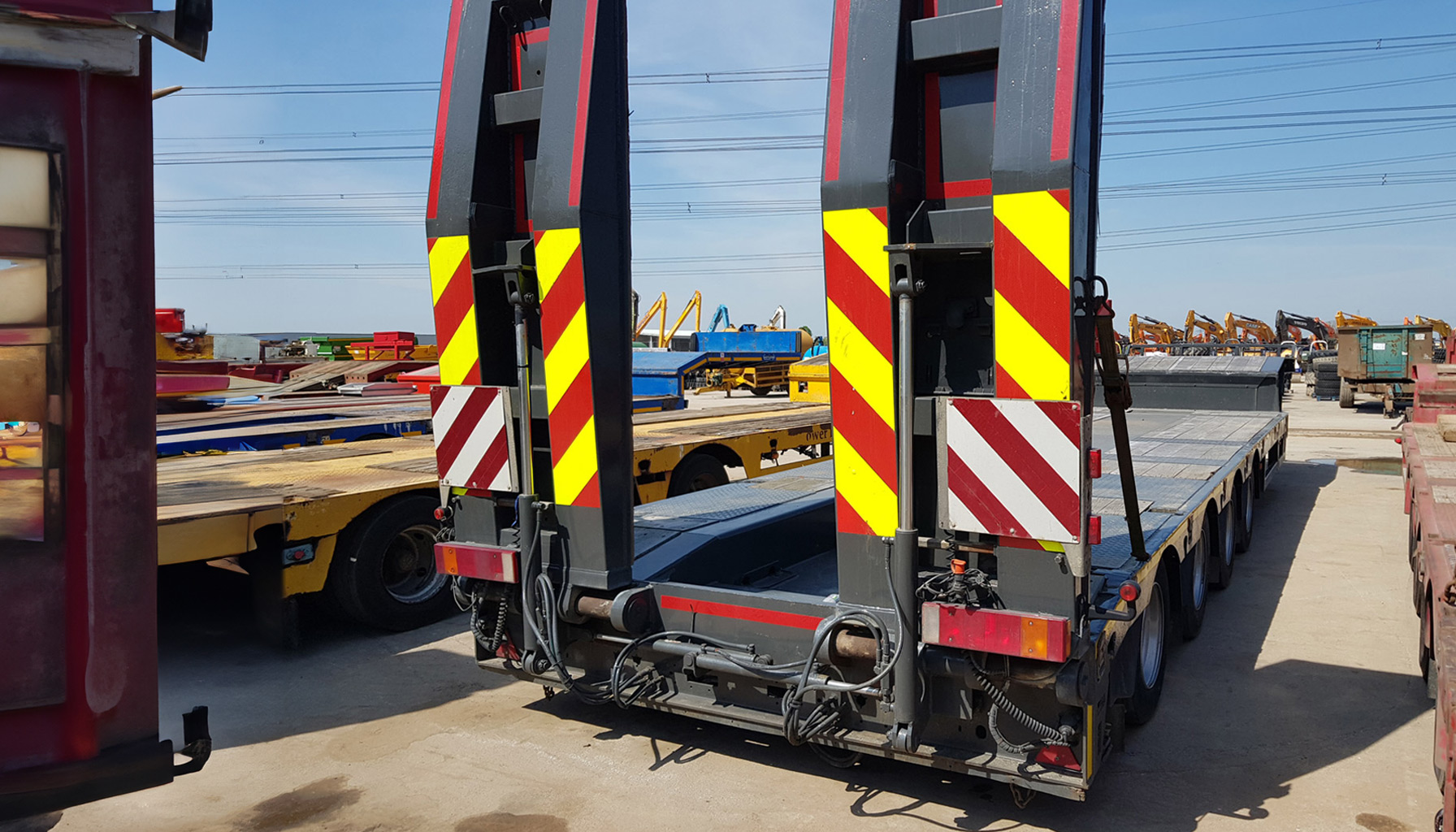
Flatbeds – Ensure structural integrity if transporting heavy goods.
Ultimately, a bargain isn’t a bargain if the trailer isn’t fit for purpose.
5. Do Buy from Reputable Sellers
While private sales can sometimes yield better deals, buying from a reputable dealer or auction can offer greater security. Many dealers offer warranties or have in-house mechanics who inspect stock before selling. Look for sellers with good online reviews and ratings, a transparent trailer history, clear communication and a willingness to answer questions.
The Don’ts of Buying a Used Semi-Trailer
1. Don’t ignore signs of rust or damage
Some wear and tear is expected with a used trailer that’s travelled far and wide, but extensive rust or structural damage is a deal-breaker. While cosmetic rust is manageable, corrosion on the chassis, axles, or joints can lead to costly repairs or even render the trailer unsafe. Similarly, if a trailer has had significant repairs after an accident, ask for proof of professional repairs, shoddy welding or makeshift fixes won’t hold up under pressure.
2. Don’t Overlook Hidden Costs
The price tag might seem fair, but be sure to factor in potential hidden costs like tyre replacements (a complete set can be expensive), brake overhauls, suspension repairs, repainting or rebranding if it’s in another company’s livery. Remember, a ‘cheap’ trailer might cost more in repairs than a slightly pricier but well-maintained alternative.
3. Don’t Skip an Online Check
In the UK, a quick online check can reveal if a trailer has outstanding finance, been stolen or written off. Organisations like Experian AutoCheck and VOSA (DVSA) records may provide useful information and since trailers don’t have a registration plate linked to the DVLA, checks are completed via the chassis number (VIN). Also, if you’re buying from a dealer or finance company, always get a written confirmation that the trailer is finance-free.
4. Don’t Rush the Purchase
With trailer prices fluctuating, it’s easy to feel pressured into buying quickly before someone else grabs a deal. But hasty purchases often lead to regrets. Take your time, ask the right questions and don’t feel pressured by pushy sellers.
4. Don’t Forget Resale Value
While buying a used semi-trailer is a cost-effective option, consider its future resale value.
- Well-maintained trailers from reputable brands tend to retain value.
- Rare or niche trailers may be harder to resell later.
- Modified trailers might have limited appeal on the second-hand market.
- If you plan to upgrade your trailer in a few years, choose one that will still be in demand.
Final Words
The UK trailer market has been through the gears, changing considerably in recent years, however, with prices stabilising, now is an excellent time to buy (if you do your homework). Whether you’re an experienced haulier or a newcomer, buying a used semi-trailer is a big investment, and making the right choice will save you money and hassle in the long run. By following these dos and don’ts, you’ll be able to find a trailer that meets your needs without any unwanted surprises. If you’re interested in buying a used trailer or selling one, please do not hesitate to explore our website or contact a friendly member of our team today.