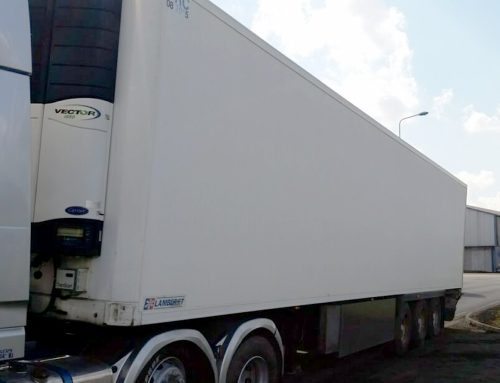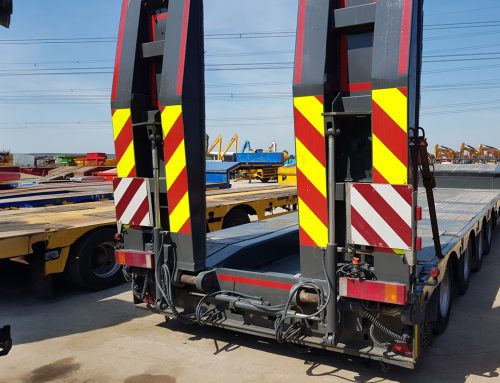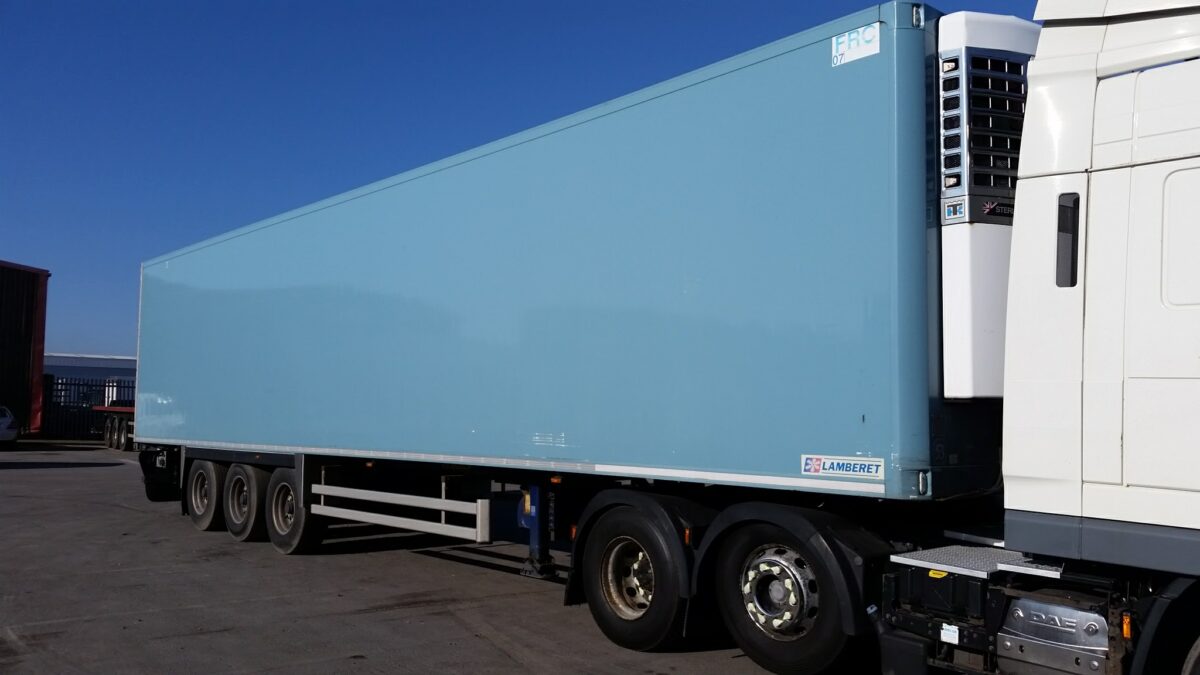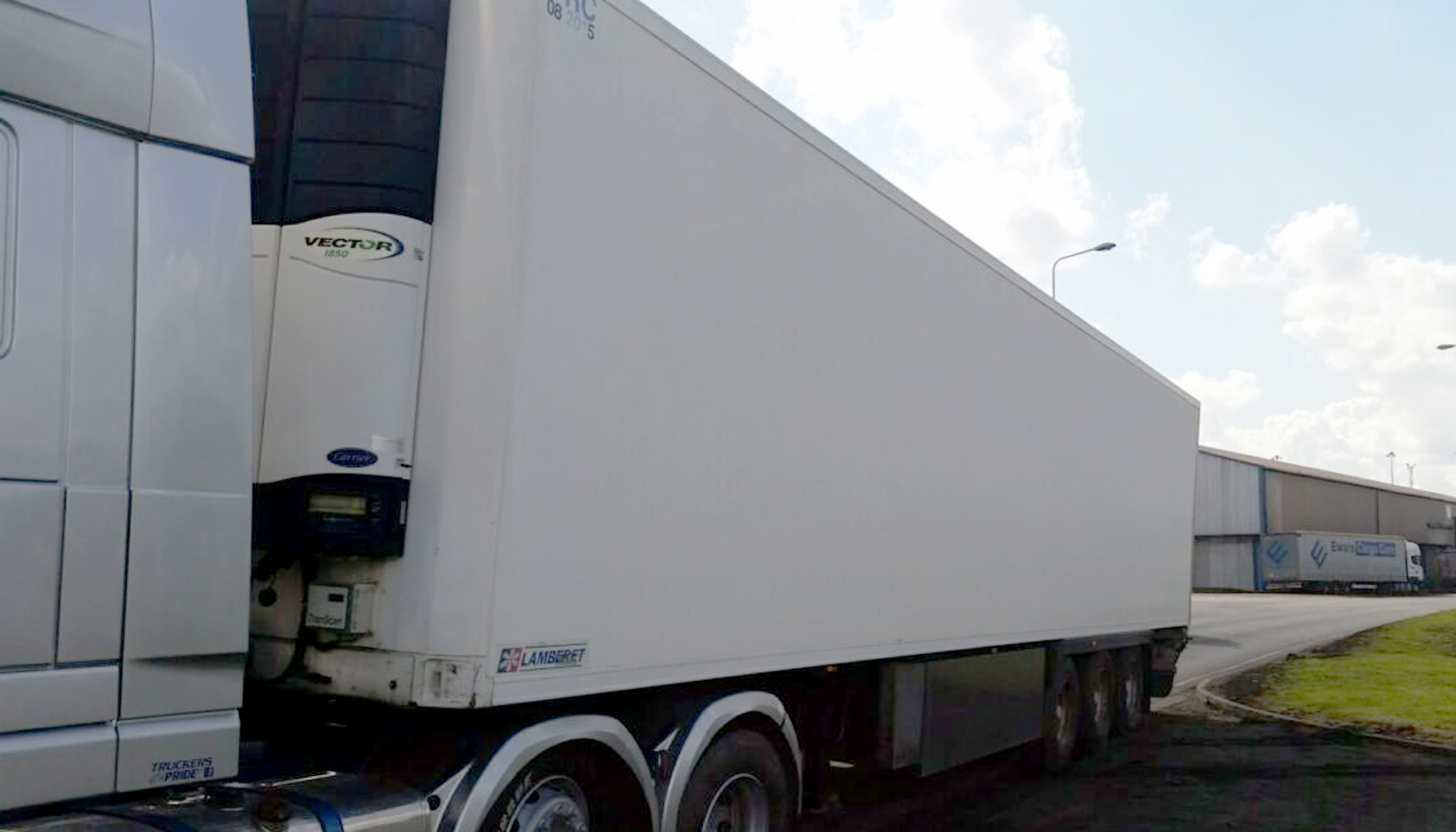

Semi-trailers are one of the most widely used vehicles for transporting goods in the UK, essential for moving loads long distances, supplying construction sites, delivering fuel, carrying food products and supporting local distribution.
The popularity of semi-trailers is down to their flexibility. A single tractor unit can work with different trailers, meaning trailer users can adapt to different contracts and seasonal demand. For many businesses, a semi-trailer is a long-term working asset that needs to deliver reliable performance while holding value over time.
Understanding a semi-trailer’s value is important when buying or selling, because it affects running costs and resale potential. Pricing too high can slow down the sale process, and pricing too low can mean losing money. For buyers, paying the wrong price can affect long-term running costs.
So how do you work out what a semi-trailer is worth?
1. Look at the current market
A key part of semi-trailer valuation is age and usage.
In simple terms:
- Newer trailers are usually worth more
- Lower mileage often increases value
- Fewer operating hours can make a difference
If any manufacturer warranty is still valid, that can also increase the semi-trailer value because it reduces risk for the buyer.
Condition matters just as much as age. A well maintained trailer with service records will usually sell for more than one with limited documentation.
GOV.UK provides official guidance on maintenance planning and record keeping for HGVs and trailers.
For sellers, having inspection and maintenance records ready can support your asking price. For buyers, reviewing these records carefully helps confirm whether the trailer has been looked after properly.
2. Trailer axles and value
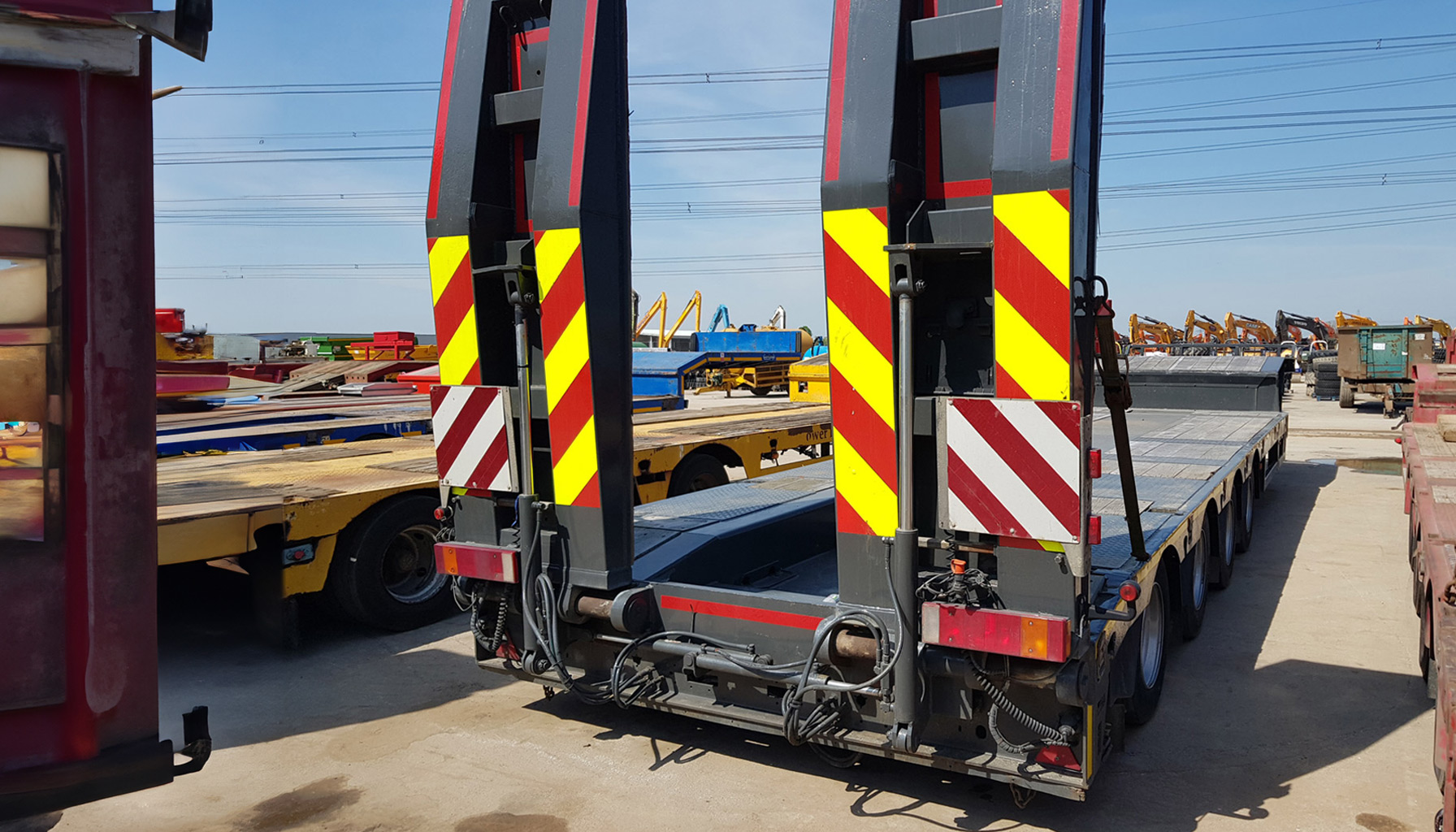
Not all semi-trailers are the same. The number of axles and their weight rating affects how much the trailer can carry and what work it is suitable for.
Trailers designed for heavier work often achieve stronger prices because they can carry more and are suitable for specialist contracts.
GOV.UK states the UK’s rules on vehicle weights and axle limits.
Buyers should check that the axle configuration suits their type of work. Sellers can use axle information to justify their asking price.
3. Specification and equipment
Trailer specification affects value. Features that may carry a premium include:
- Wetline system for operating hydraulics
- Air or heavy-duty suspension for load handling and driver comfort
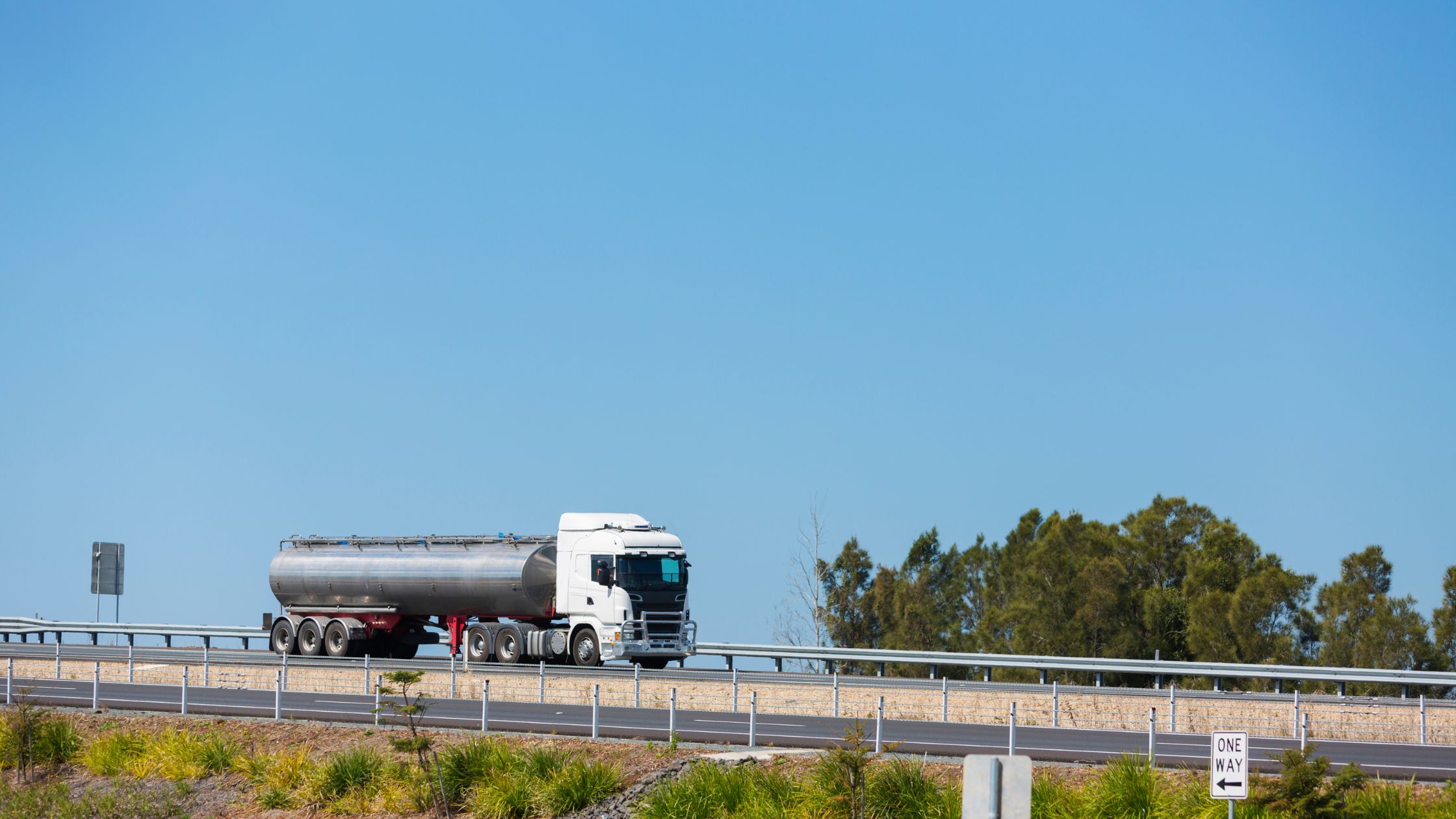
- Curtain-sided, tipper, tanker or flatbed bodies
- Heavy-duty suitability for construction, aggregates or specialist work
Higher spec semi-trailers may sell for more, particularly if they suit specialist sectors. However, it’s important to balance specification with practicality. A trailer built for heavy work may not be necessary for general freight, where fuel efficiency and lower running costs could matter more.
4. Market conditions
Used trailer prices are influenced by wider market conditions in the UK. In recent years, supply has been limited by production delays and higher manufacturing costs, and parts availability has affected how many trailers come to market.
When supply is tight and demand stays steady, used trailers tend to hold their value. Changes in activity across the logistics and construction sectors can also influence demand for trailers, affecting how much buyers are willing to pay.
5. Comparing similar semi-trailers
One of the simplest ways to check semi-trailer value is to compare similar units currently listed for sale. Look at:
- Age and registration year
- Axle setup
- Body type
- Condition and service history
- Asking prices versus realised prices
Pricing above market may reduce interest. Pricing well below the market can make buyers cautious.
6. Understanding what buyers will pay
When setting or assessing the value of a semi-trailer, it helps to think from a buyer’s perspective. Buyers are not only looking at age, mileage and specification, they also consider how quickly the trailer can be used, how much it will cost to operate and whether it meets the requirements of their contracts.
Factors that influence buyer decisions include:
- Immediate usability – trailers that are ready to go with all documentation, roadworthy certificates and no pending repairs are more attractive
- Versatility – trailers suitable for multiple types of loads or industries tend to appeal to a larger group of buyers
- Market comparison – buyers check similar trailers on the market to judge fair pricing
Thinking about what buyers value helps sellers set a fair price and helps buyers see what makes a trailer worth it. It comes down to considering market trends, the trailer’s condition and how useful it will be for everyday work.
At Trailer Trading, we help trailer users in the UK and Europe buy and sell used semi-trailers across a range of sectors. If you want to understand the value of a used semi-trailer or see current market prices in the UK, browse our latest listings or get in touch with our team for expert guidance.